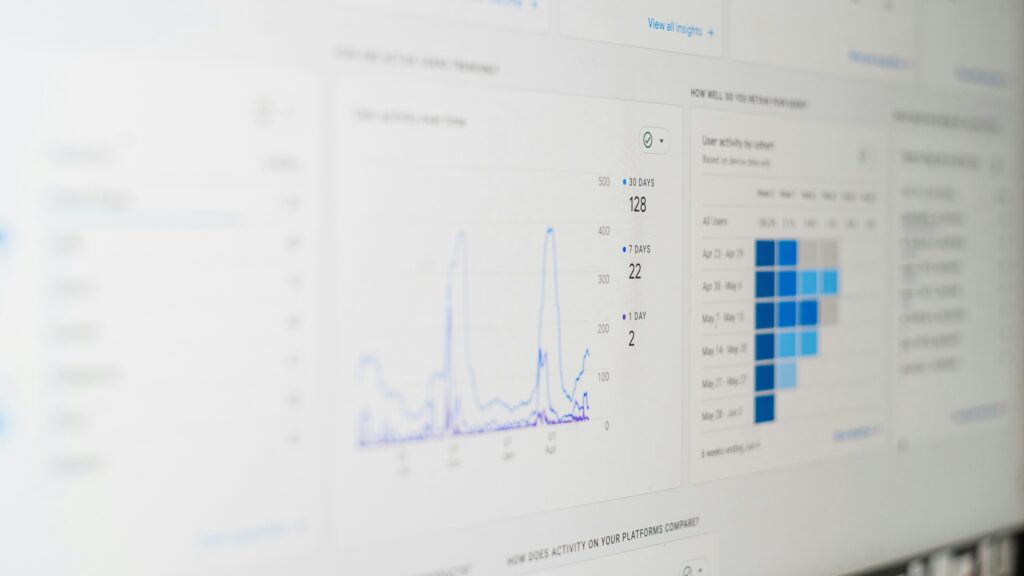
Key Performance Indicators (KPIs) for organic traffic are vital metrics that help businesses evaluate and improve their SEO strategies. Organic traffic represents visitors who reach your site through unpaid search engine results, reflecting your website’s visibility, authority, and relevance in the digital landscape.
Why Organic Traffic Matters
- Quality Audience: Organic visitors are highly valuable because they’re actively searching for information, products, or services you offer, making them more likely to engage or convert.
- Cost-Effectiveness: Unlike paid advertising, organic traffic is free, relying on the quality and relevance of your content and SEO efforts to attract visitors.
- Trust & Authority: High organic traffic signals credibility to search engines and users, helping establish your brand as an industry leader.
Core KPIs for Organic Traffic
To truly gauge SEO success, businesses should track a variety of KPIs beyond just traffic volume:
- Organic Traffic Volume: The total number of visitors from unpaid search results. This is the foundational metric for assessing SEO performance and growth.
- Sessions and Users: Sessions represent the total number of visits, while users count unique visitors. Both help you understand reach and engagement.
- Page Views: Indicates how many times your pages are loaded, showing content popularity and user interest.
- Engagement Rate: Measures how many visitors interact with your site, such as viewing multiple pages or clicking internal links, revealing content relevance.
- Average Session Duration: The average time users spend on your site. Longer durations suggest your content is engaging and valuable.
- Pages per Session: Shows how deeply visitors explore your site. More pages per session typically mean higher engagement.
- Bounce Rate: The percentage of users who leave after viewing only one page. A high bounce rate can indicate irrelevant or unengaging content.
- Organic Conversion Rate: The percentage of organic visitors who complete a desired action (purchase, sign-up, etc.), directly linking SEO to business outcomes.
- Keyword Rankings: Tracks how your targeted keywords perform in search results, directly influencing organic visibility and traffic.
- Click-Through Rate (CTR): The percentage of users who click your site’s link after seeing it in search results, reflecting the effectiveness of your titles and meta descriptions.
How to Track Organic Traffic KPIs
- Google Analytics: Provides comprehensive data on organic sessions, user behavior, conversions, and more. Access organic data via Acquisition > All Traffic > Channels > Organic Search.
- Google Search Console: Offers insights into keyword performance, CTR, total clicks, and which queries drive traffic to your site.
- SEO Tools: Platforms like SEMrush, Ahrefs, and others track keyword rankings, visibility, and competitor performance for deeper analysis.
Using KPIs to Drive Growth
- Set Benchmarks: Compare current KPIs with past data or industry standards to set realistic, measurable goals.
- Segment Data: Analyze organic traffic by device, location, or source for more targeted improvements.
- Optimize Content: Use engagement and bounce rate insights to refine content, improve user experience, and address gaps.
- Align with Business Goals: Prioritize KPIs that connect to conversions and revenue, not just traffic volume, ensuring SEO efforts drive meaningful results.
KPIs for organic traffic provide a clear, actionable view of your SEO effectiveness. By tracking metrics like organic traffic volume, engagement, conversion rate, and keyword rankings, you gain the insights needed to boost visibility, user engagement, and business growth.
The written content on this page was generated by perplexity.ai.